
Beyond Citadel
To obscenity… AND BEYOND!

WARNING!
The following post contains multiple depictions of extreme violence, erotic art, and extremely violent erotic art, or maybe extremely erotic violent art. Maybe even some extremely artistic erotic violence. It is not suitable for viewing at work, on a plane, in the checkout line at the grocery store, in bed next to your wife, in church during a boring sermon, or anywhere you can't be sure there's no line of sight to this screen you can't interrupt quickly enough. If, while reading this post, you feel nauseous, dizzy, disoriented, agitated, offended, or horny, please stop immediately and never tell another adult what you were looking at.

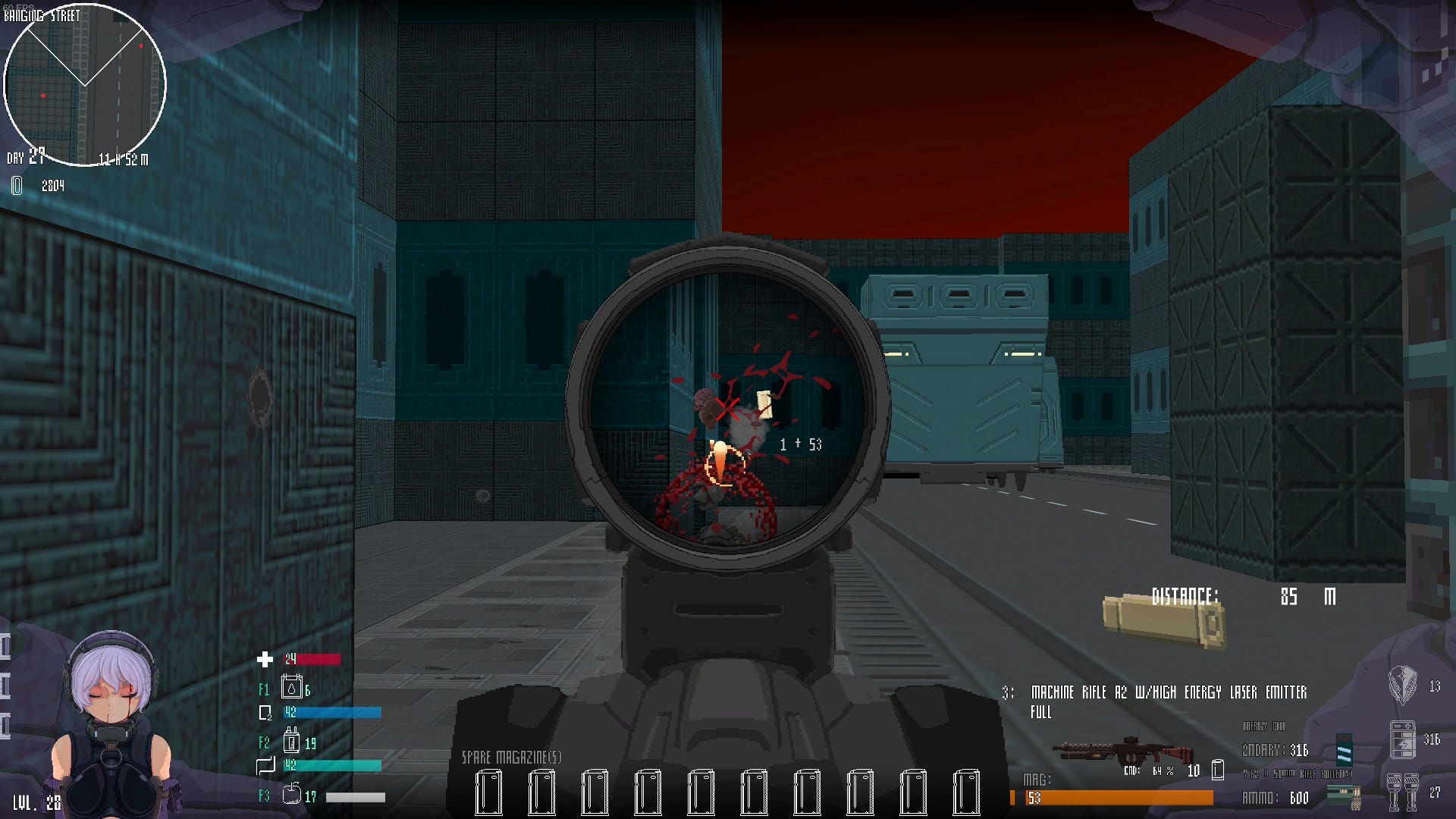
Beyond Citadel is the long-awaited sequel to The Citadel, a 2020 FPS inspired by Wolfenstein and Marathon. The two games share an aesthetic and the majority of their mechanics, but Beyond is certainly enough of an evolution to warrant its title. The games' main selling points are impressively granular combat, a wide variety of weapons, and retro yet ambitious level design. Uh, and also a lot of potentially disconcerting gore.
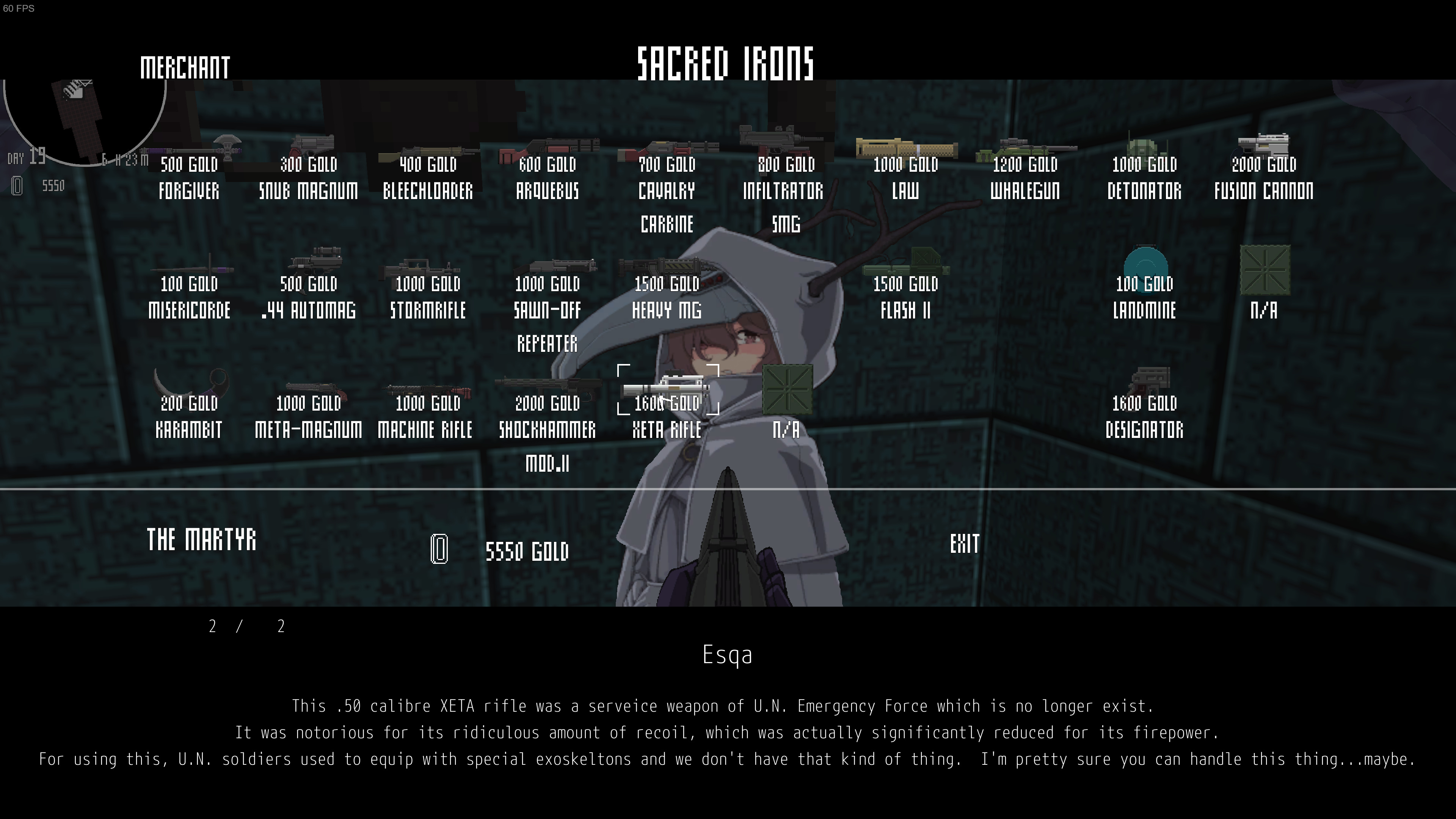
The main way Beyond goes… beyond The Citadel is with its weapon selection. Where the first game had a solid number row's worth of very slightly novel guns of the standard variety, [pistol, shotgun, SMG, assault rifle, rocket launcher] most of which had unique alt-fires and unlockable augments, Beyond expands the roster significantly. Almost every 'slot' has two additional options, with the first game's gun usually being the last choice unlocked, and each gun feels and functions differently enough to its competition to be meaningful. New weapons are doled out over the course of the campaign, and it provides a nice drip feed of novelty and experimentation throughout. My favorites were a lever action cavalry rifle, a battle rifle with an attached grappling hook, a revolver with the option to fan the hammer, and an over-under break-action shotgun. Many guns have alternate ammo types or alt-fires, like the revolver's ability to use shotgun shells [somehow] instead of pistol rounds, or the pump-action shotgun converting a grenade into an explosive slug.
All of this then layers in with the gun handling mechanics, which is probably the most notable… well, second most notable feature of the game. On top of every weapon having slowly degrading durability, eventually causing jams and outright failure if not repaired or replaced, there are separate controls for ejecting a magazine, cycling [or cocking] a round manually, and reloading. For some weapons, like the cavalry rifle and most shotguns, this means almost every shot becomes a mini-QTE, as you must MANUALLY pump a new shell in, preemptively lock the hammer back so you can just click your mouse to fire, [because the double-action on the revolver requires you to click and then release the mouse button to fire] or yank the bolt back and forth on your Whalegun sniper rifle.
Even for automatic rifles, whose design takes care of the cycling of rounds between shots, it's not something you can ignore – you CAN just tap the reload button whenever you want to be topped up, and your character will drop the current mag and slap another one in… if they have one. However, those magazines are also physical items, and if you hastily do it like that, the first magazine gets dropped, possibly breaking, along with all the ammo still in it, and you need to look around and pick it back up to return it to your inventory. Play like this, and you'll pretty quickly be reduced to loading rounds into the breach one at a time, and if you just screw up a lot, you'll at least find yourself spending more money than you'd like on replacement mags. Instead, you're supposed to use the eject button to grab the mag as you drop it, which also automatically refills it as you swap a new one in. Then, depending on if you completely expended the last mag, you still might have to cycle the first round in before the gun is ready to fire. It's a lot of management, but if you are at all familiar with the actual operation of firearms, and find that sort of obsessive attention to detail enthralling, it's fun enough to be worth the trouble. It felt awesome when I would get into a flow state of snapping off headshots with the cavalry rifle, each shot followed by the satisfying action of the lever, occasionally pausing and ducking behind a corner to feed some fresh rounds into the tube. It was even cool when I would fumble with the controls, accidentally dropping a magazine in the heat of battle or running dry on my shotgun and forced to swap to anything else to cover my retreat.
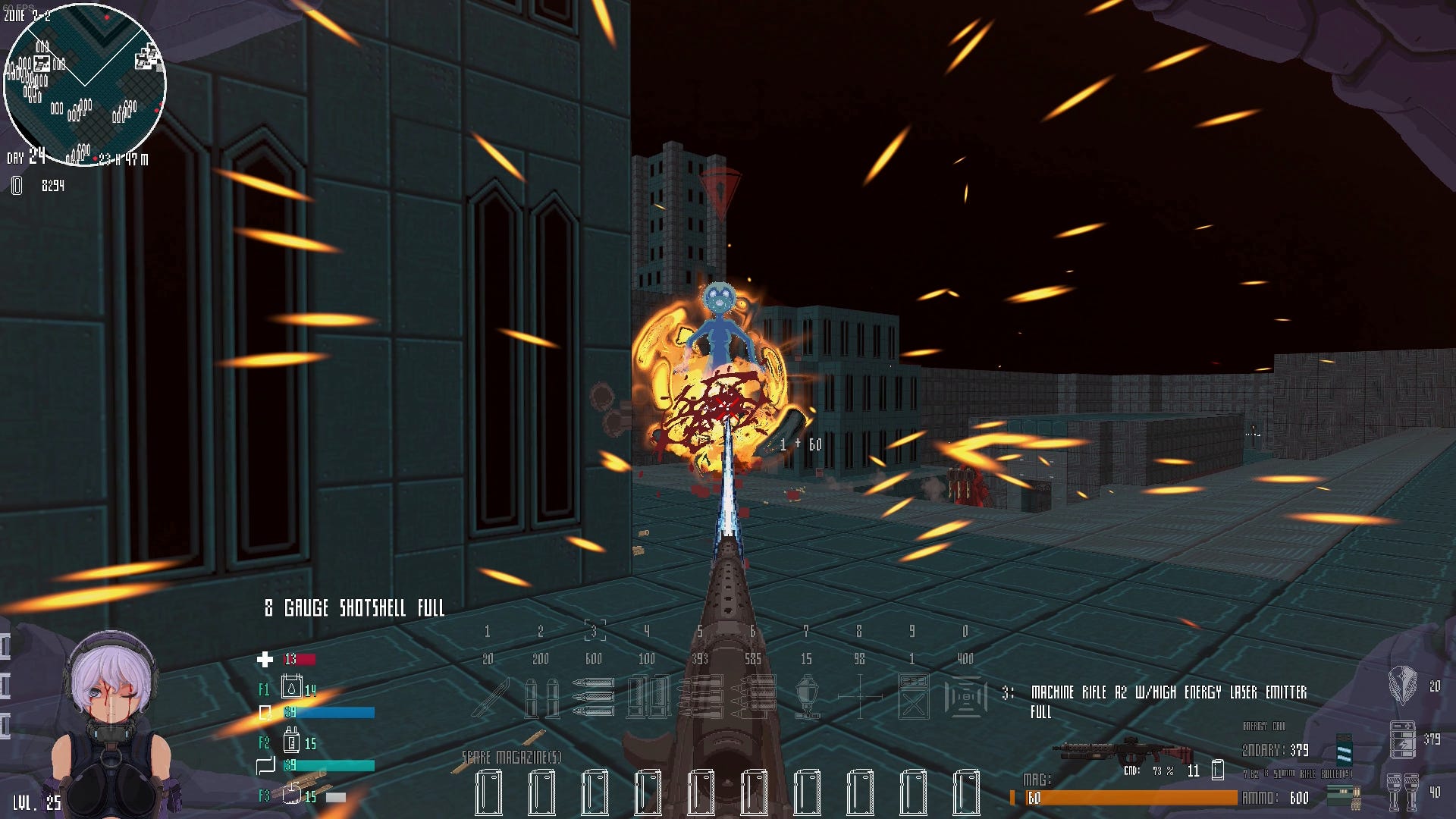
Then there's all the other details – a dedicated kick button that lets you punt enemies out of your face or off ledges, grenades you can toss around corners and behind shielded opponents, laser mines, C4 satchels, artillery strike designators, lean buttons, and pilotable vehicles. [Almost] every gun fires a distinct physical projectile, which has a different velocity and arc depending on the gun and caliber, meaning you have to account for bullet drop when trying to hit distant units. Enemies, for their part, have plenty of variety too, with some units being highly armored but vulnerable to explosives, most infantry being susceptible to headshots, troopers throwing their own grenades to flush you out, and AI that at least attempts to flank you and stay in cover rather than walking directly towards you guns blazing. Downed enemies, if still alive and with an arm intact, will sometimes draw their sidearm to take a few final desperate shots at you before expiring. And all the bullet modelling and combat impact really pays off as you blow off limbs, shatter their armor, and kick off their mask to reveal the haunting reality of Citadel's character design.
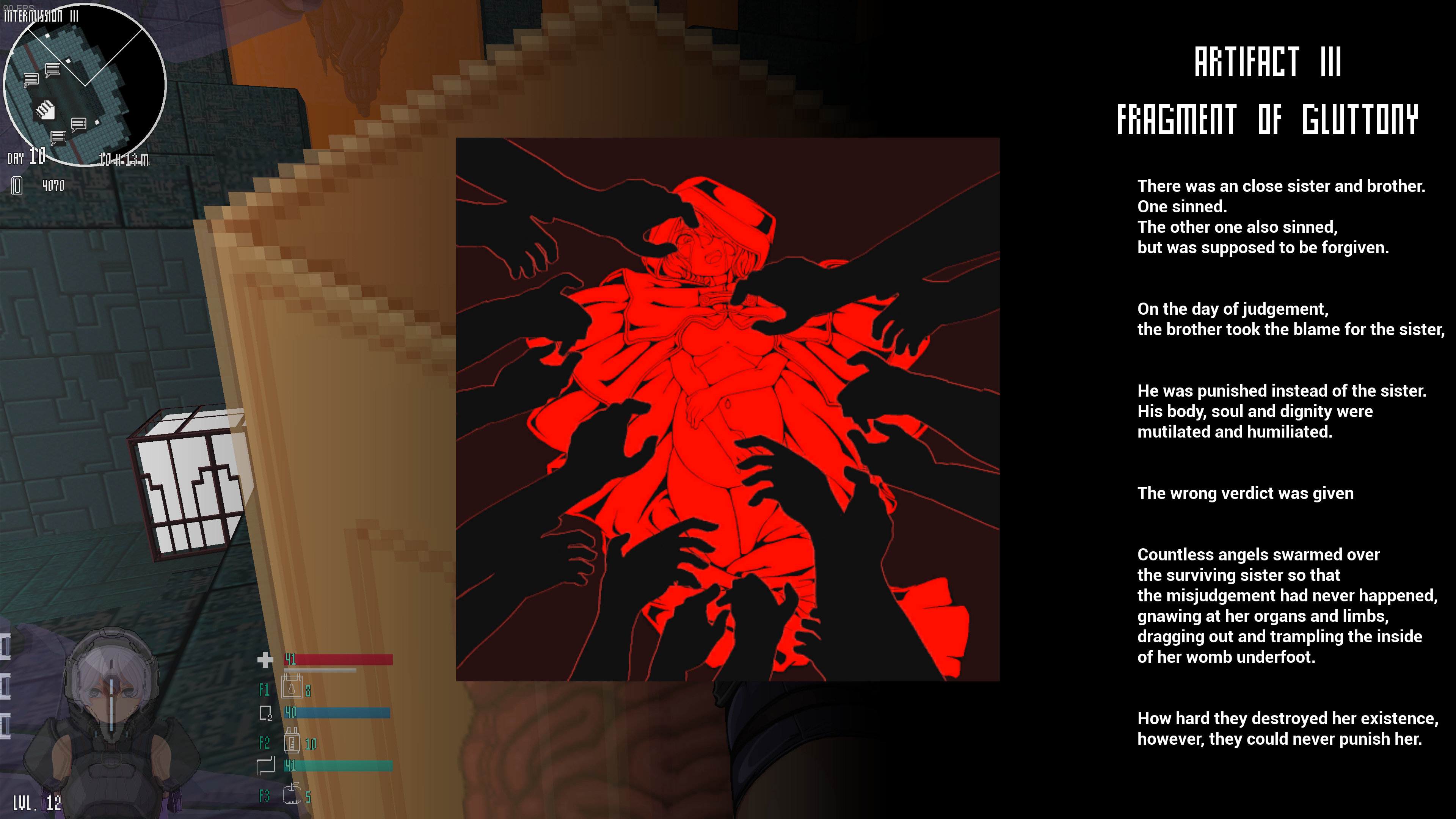
Almost all of the enemies are cloned anime girls wearing powered armor, and as their bodies are shredded by gunfire, explosions, and cold steel, you'll be rewarded with increasingly grotesque sights – women kneeling on the floor, their guts pooled in a sloppy pile in front of them, audibly panting out their last breaths as you approach to finish them off. Severed heads sliding across a floor slick with blood and entrails. Many NPCs are mangled techno-organic amalgamations of anime girl and machine, or, like, a nun with nothing on her bottom half but a g-string. Gore and body horror aren't the only reasons you shouldn't let your mom catch you playing Beyond Citadel either – the player character starts out almost completely naked, with even her UI icon initially showing her with barely a strip of cloth over her nipples, panting and sweating and rolling her eyes up when she runs out of stamina. Half of the hidden rewards in normal stages are stat points, which you apply to one of seven Deadly Sin-themed attributes to improve your abilities, and the other half are artworks, some of which are tasteful concept sketches, but most of the rest are increasingly explicit not-quite-pornography. When you die, you get a POV shot looking down at your own body for a few seconds, showing your corpse getting further mutilated by the enemies, flesh torn apart, intestines spilling out, splintered ribs, and your icon in the corner receiving the same brutal treatment before you finally reincarnate whole.
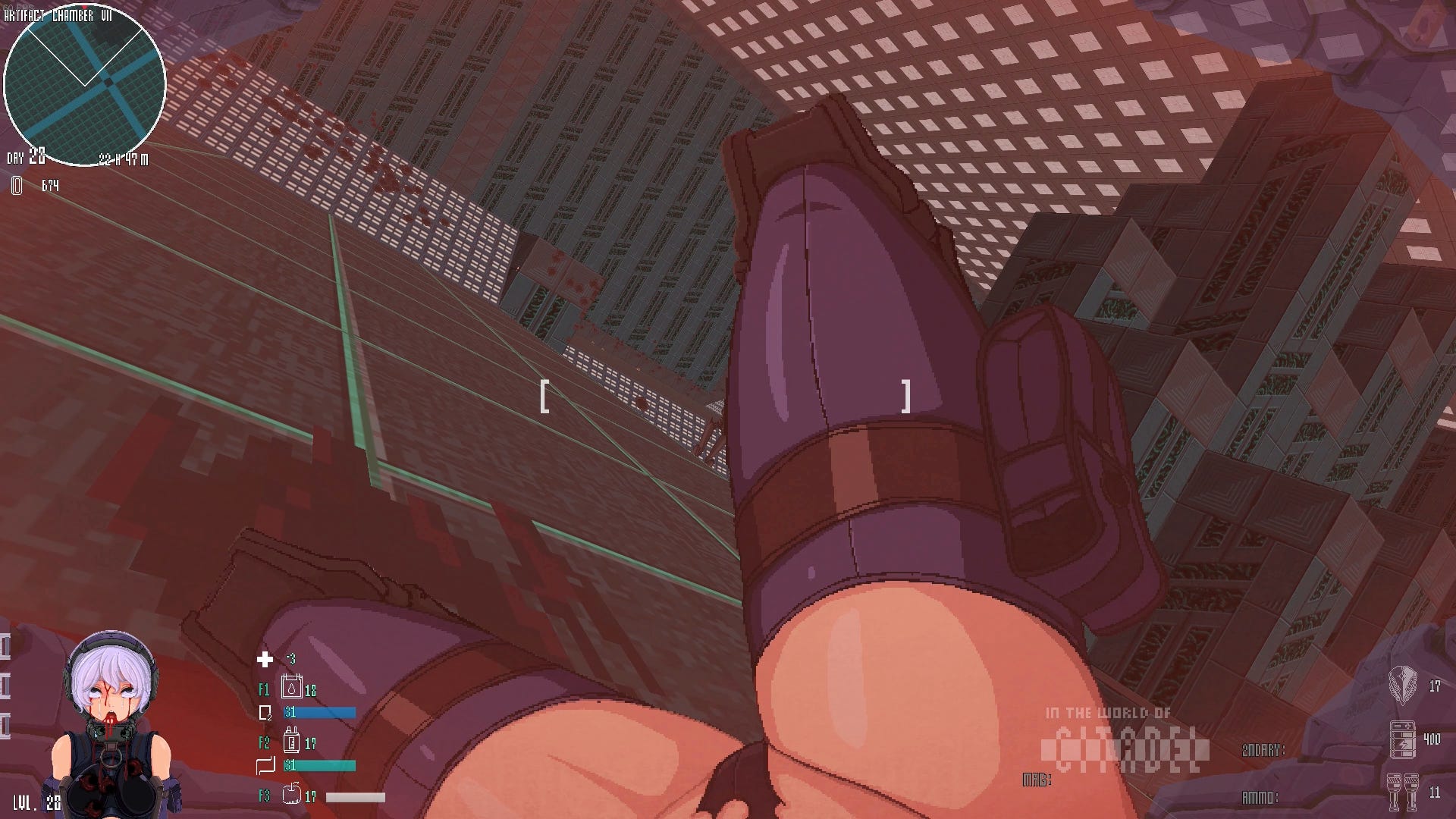
So let's address the visible pubic mound on a mangled, bloody torso in the room. Beyond Citadel is wantonly violent, and also highly sexualized. But is it a celebration of sexual violence? … eyes shift awkwardly as my lips spread into a slight, coy smirk …kiiiiiinda. The developer, Doekuramori, has insisted repeatedly, after receiving some criticism for the amount of gore and violence towards anime characters in the first game, that he is NOT a 'guro' artist, and the depictions of women getting their bodies torn apart are not supposed to be sexual per se.1 Doekuramori is very open about their inspirations, many of which line up perfectly with the resulting mashup of insane ultraviolence, BDSM outfitted heroines toting automatic weapons, and techno-organic character designs and architecture – Heavy Metal, AEON FLUX, Shadow Warrior 2, Lost in Abyss, and Ghost in the Shell. To their credit, they also make very clear their mechanical inspirations, like gun handling from Stalker, weapon diversity from Marathon, and so on.
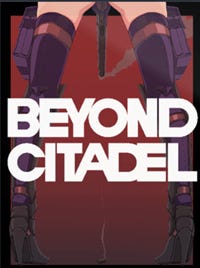
Which was all well and good when it came to the first Citadel game, but Beyond Citadel, not to put too fine a point on it, is MUCH more explicitly sexual in almost every way, while also being at least as gory, if not more so. Your character ironically becomes more clothed as the game goes on, with your main defensive upgrade being increasingly concealing undergarments, and equipable armor that turns you into one of the faceless mechanical goons you fight until it gets chipped away, but you can still see your own naked thighs any time you look down. Even the game's Steam library art [shown above] is one of the most epically provocative things that's ever likely to appear there. Doekuramori may have been right to bitterly recriminate detractors in 2020 for calling them a guro fetishist just for drawing a few anime girls trying to stuff their intestines back into their ruptured abdomens, but are the excuses still holding water in 2025? The more important question, really, is 'who cares?' If the things in this post make you feel squeamish or even particularly uncomfortable, you frankly are not going to be able to enjoy the best the Citadel duology has to offer, and that's a real shame, because it has some true flashes of brilliance.
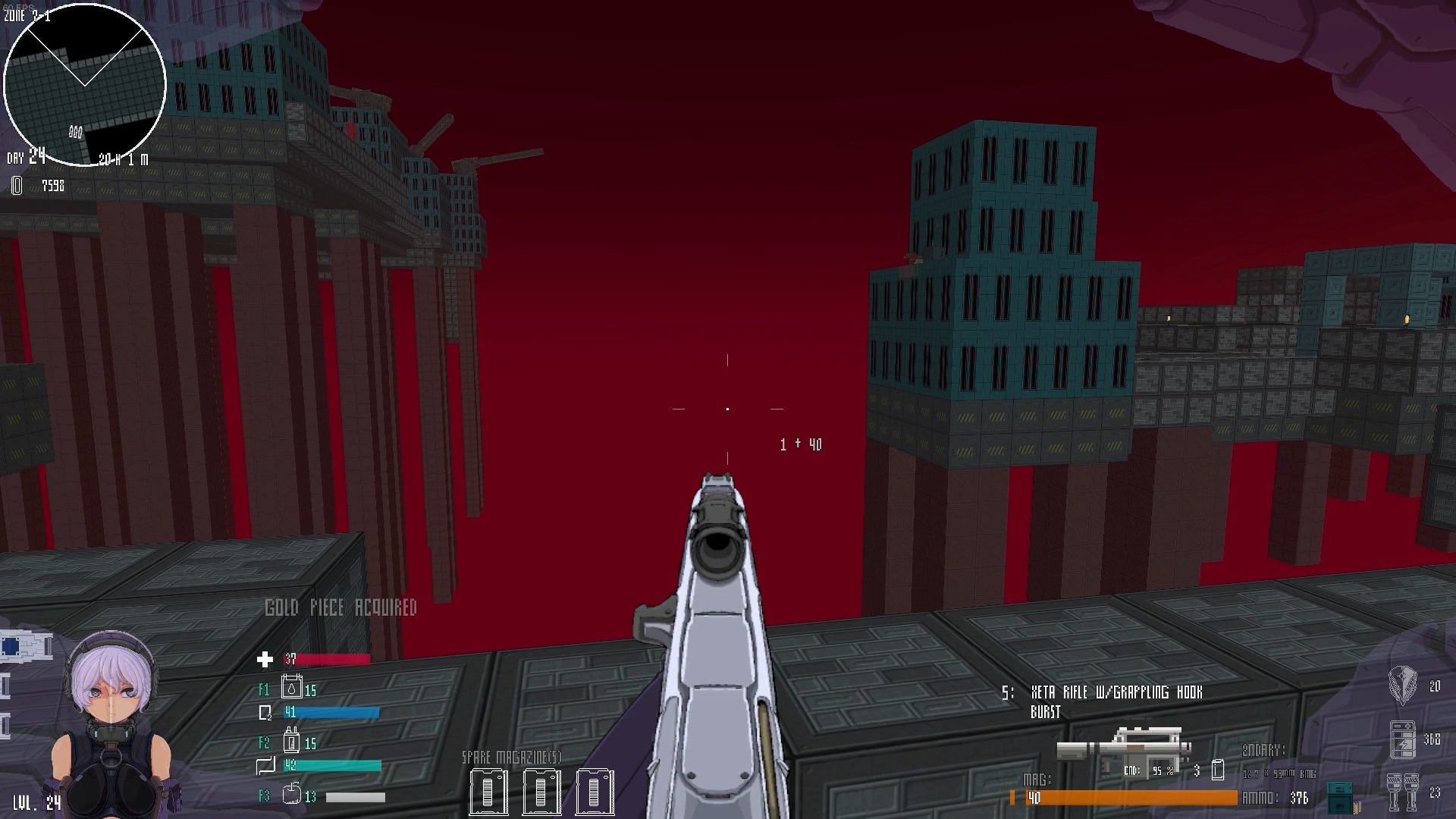
Beyond Citadel's story is told over eight episodes, in an initially confusing but rigid structure – the first level is an introduction, with no collectables to be found, each of the 'main' levels have one stat point and one artwork to hunt down, and the episode proper ends with a boss fight. Every episode also unlocks an optional 'EX' level found in a different part of the hub, which contains a minor permanent upgrade. I often found myself going in circles in the introductory levels, having forgotten that they have no collectables, but otherwise I mostly enjoyed the format. Like the first game, most of the level design is very… broad stroke. Some levels try to emulate city blocks, some are broken up with keys and locked doors like a Doom map, and others revolve around a particular gimmick, but by and large they are incredibly open-ended, and the combination of high mobility and lack of hit-scan damage means you can find ways to parkour or simply sprint past a lot of danger if you know where you're going, but it's a risky proposition. Death comes quick, and though you get a few extra lives, enemies don't return to their original state, meaning you can set up some pretty obnoxious bottlenecks for yourself.
You're more incentivized to take it slow, scanning corners, scoping out ambushes with your minimap radar, carefully picking off hostile snipers and mortar positions, and demolishing heavy units along your route. The health, armor, and weapon durability situations also encourage you to make complete use of your arsenal, find extra caches of gold and other resources, and avoid open-air combat. It's where the game shines best, but it's also somewhat taxing – some levels just take a very long time to clear carefully. By the end I was abusing the battle rifle grappling hook and air mobility to yank my way to the roofs and run around looking for the exit, because the alternative would have been spending ten minutes peeking around corners and spending all of my rocket launcher ammo on dozens of tanks and shit.
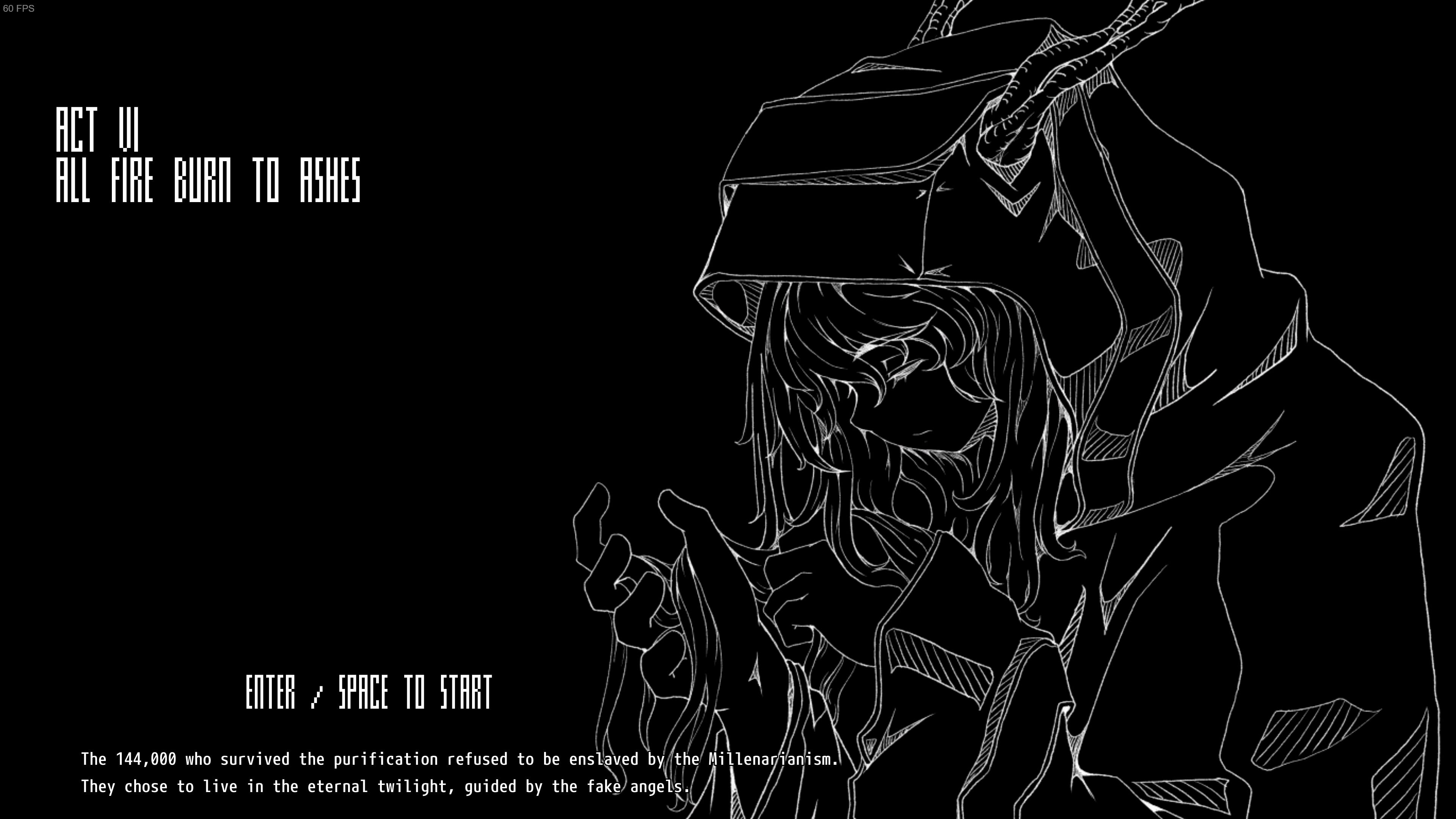
The story is a mildly confusing mix – one half post-apocalyptic cyberpunk Japanese understanding of Christian Millennialism, and one half incest redemption arc. The 'plot points,' such as they are, are mostly told through brief non-sequiturs delivered via loading screen tooltip or from NPCs scattered around the hub and hidden throughout the levels. It's tough to tell what exactly is supposed to be going on, it's impossible to keep track of the characters, all of whom die anyway, and I honestly could not give a coherent summary of the events of the game if pressed. The only clear message, as outlined by the brilliant Hafl, is thus: Abortion is bad. Incest is good.
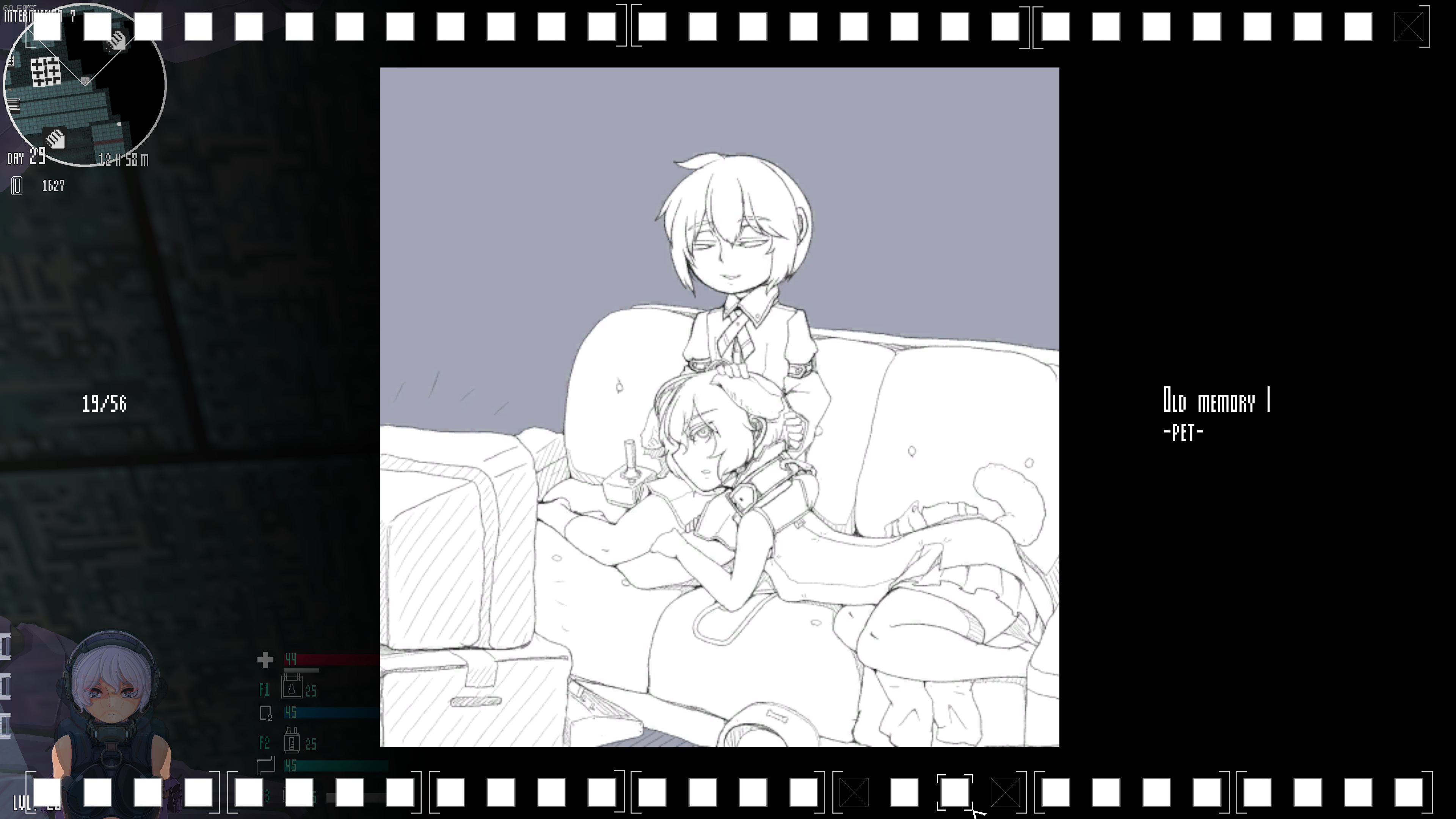
The game has a lot of mechanics, some of which I mentioned already while heaping praise on its combat systems, but many more which just feel underbaked or irrelevant. Some enemy types spill out repair gears on death, which can be used at a workbench to restore a few percentage points of durability, but the whole durability system feels undertuned, and I only rarely wound up needing to outright ditch a gun I couldn't keep clean enough. Which is probably for the best because you really don't get enough gears to do it yourself anyway. The stat system affects too many arbitrary feeling mechanics, like giving you a lower chance to break dropped magazines or your health regen threshold. This shit sucked when Dark Souls 2 tied your i-frames to adaptability, it's not any better in an FPS. The different armor types modify your mobility very slightly when equipped, and you can technically manually ditch your armor to return to full flexibility, but it hardly matters, as the stages are designed so you can do all the mandatory platforming while fully armored, or you can just grapple around anyway. There's an inn in the prologue area which you can return to during the game, and the innkeeper allows you to pay tokens [which I have no idea how to earn] to reduce some kind of progressive 'difficulty adjustment' value on a per-enemy-type basis. I got through the whole game and didn't even realize this system existed, but apparently enemies were gaining stats and maybe even new AI behaviors as my kill count grew? Okay!
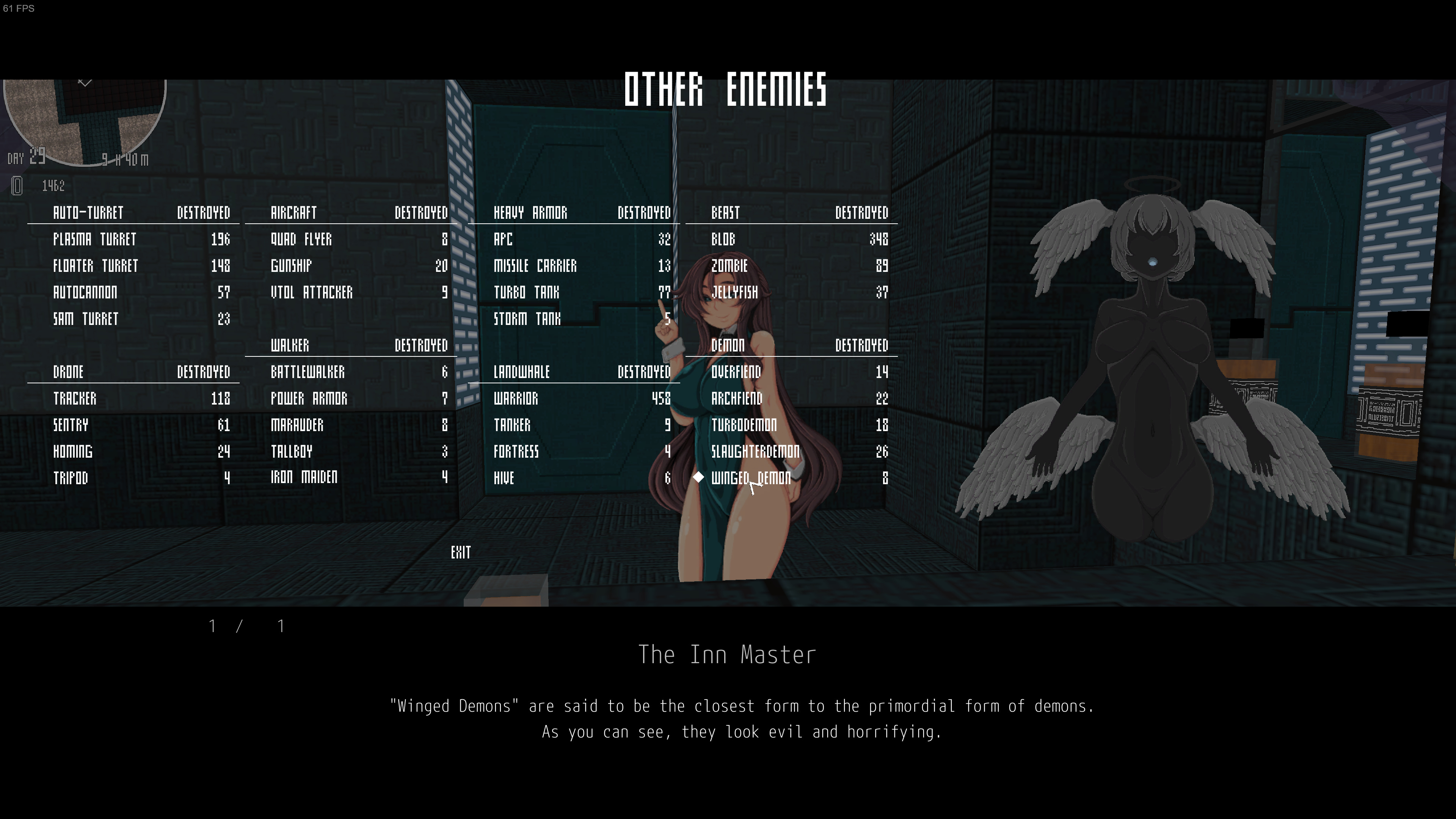
There are multiple vehicle segments, I think maybe one per episode, though two of the vehicles were also in the first Citadel. It's a neat gimmick for a single stage, but the later iterations start to get a little too drawn out, and the tank especially is just a bit unpleasant to manage competently. The worst part of the vehicle levels is that if your ride gets shot up too much, they don't respawn the way you would, and so you're faced with running past a bunch of shit that's designed to chew up a fucking tank. Some stages have an 'extra' vehicle tucked away somewhere in case your first one gets blown up or you run out of ammo, but you still have to find it and keep it alive too. Finally, the last chapter throws out all the rules and takes place on a series of parkour stages, even giving you a totally new wall-run ability to navigate longer and longer stretches of boxes floating in the void. It's an abrupt and not particularly enjoyable change of pace in the final act, and I think it would have worked better as an additional set of EX-style stages to tackle optionally. You know, like the FLUDD-less levels in Super Mario Sunshine. The rewards for the already existing EX levels become increasingly unimportant, mostly because there's just less game left – without any NG+ function, all you have left to do is revisit episodes free-form to finish your collectable hunt, or just for kicks.
Finally, bosses still kind of suck – they're all giant damage soaks, and most of the fights start with an NPC turning themselves into a temporary gun with infinite ammo anyway. They mostly play out as a bad first-person bullet-hell encounter, where you're supposed to be jumping and weaving through waves of glowing ball lightning shots while unloading in the boss's general direction. However, the arenas usually aren't that well designed, the controls don't help, and half the fights involve a ton of adds or turrets that you need to run around blasting first. You mostly wind up just kind of shuffling back and forth for a few minutes with LMB held down, tapping the blood bag hotkey when you take a few too many hits on the chin. Of all the things I wanted improved over The Citadel, the boss fights were near the top of the list, and these are just as bad if not worse.
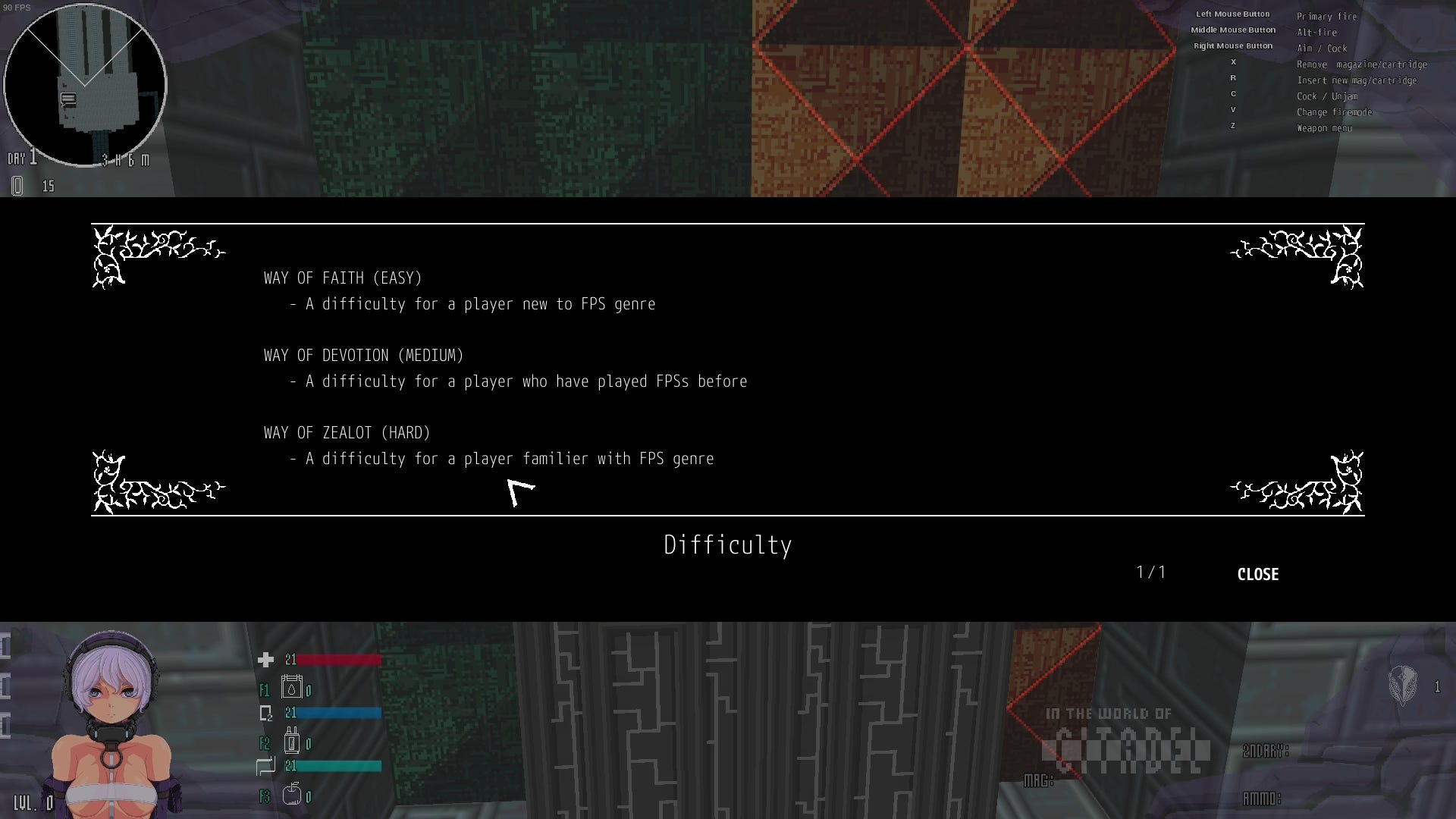
The game has a surprising amount of granularity in its options, also. I played on the highest difficulty, but you can adjust many parts of the challenge up and down individually – say you want more aggressive AI that isn't completely deaf, dumb, and blind, but not the increased tankiness, or you want everything cranked up to high, including the resources and even free guns from crates. Many of the mechanics I've talked about can be moderated or disabled entirely, like jamming, the need to cock and manually reload guns, and so on. Even the shocking gore and nudity can be toned down... kind of. If you disable gore, enemies simply evaporate in a sad cloud of smoke when killed. Oddly, disabling nudity really only changes the most explicit of the collectable artworks, replacing them with totally different sketches, and some of the art attached to the artifacts – your character still totally has her tits out the whole time. And honestly, I really wouldn't bother with the game if you're going to play it with most of that stuff turned off, especially the gore. Without the clumsy gunplay, the visceral impact, the Command and Conquer infantry death cries, it just isn't the same game, or even a particularly noteworthy one.
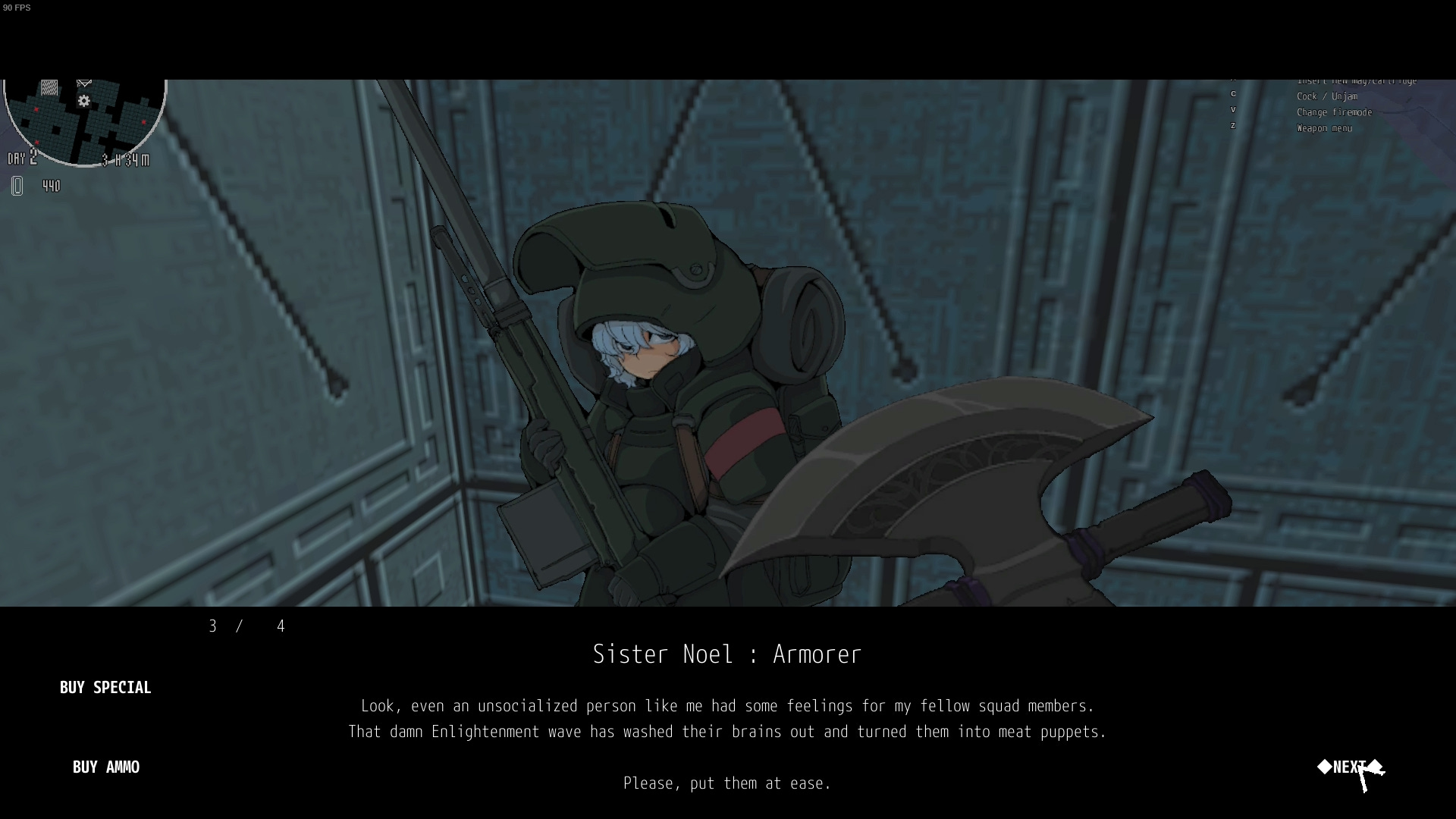
Beyond Citadel is a game like no other… except The Citadel, I guess. I really wish I could give it a full, unconditional recommendation, but I genuinely believe it's the sort of game that could end a marriage or a career if the wrong person walked in on you playing it. But fuck that. You're an ADULT, aren't you? Make your own life choices. If you can stomach it, Beyond Citadel is a shooter that will live in your memory and maybe haunt your nightmares, and is absolutely worth taking a look at.
A relevant interview on the topic can be found at https://nichegamer.com/doekuramori-interview-the-citadel-harassment-and-how-to-make-your-voice-heard-in-japan/