
Yasuke Simulator
Breathing life into history.

Gaming, like the world, is at a crossroads. Will we embrace the things that are genuinely important - diversity, equity, and shareholder value? Or will we burn everything down to appease the demagogues rising to power? Can anyone walk the narrow line, balancing truth and justice? It’s in these times that we have to cast our gaze back, to the past, and find heroes worth emulating.
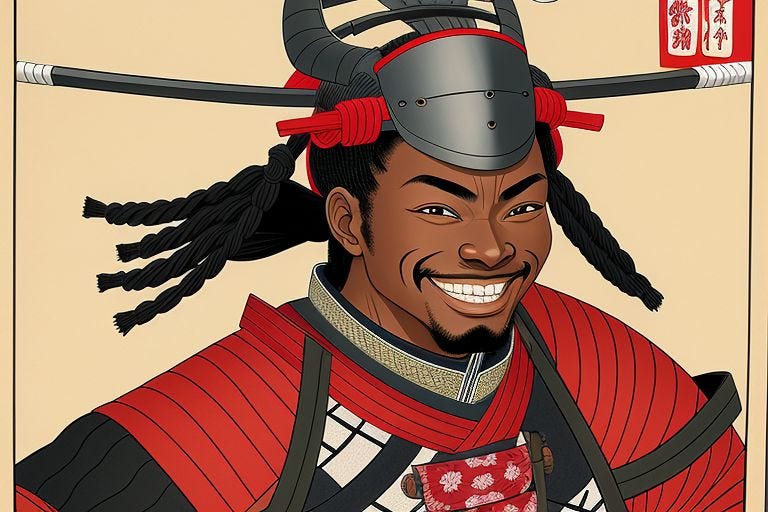
Enter Yasuke, a historical samurai from Japan’s turbulent Sengoku period. Though the specter of GamerGate has caused many to criticize Yasuke Simulator’s supposed ‘historical revisionism,’ these claims could not be further from the truth. Yasuke, the “Cast Iron Samurai,” is well-attested in contemporary sources, and is widely credited for introducing many cultural innovations to the islands of Nippon, such as a proclivity for wielding dual swords, later adopted by famed kensei Miyamoto Musashi, the tactic of drifting his heavily customized Toyota AE86 through the tōge passes in the mountains of Japan, an enduring love for KFC, and peanut butter. He was also a famed warrior, aiding Oda Nobunaga in his conquest of Takatenjin Castle and putting down several peasant rebellions. Importantly, Yasuke Simulator sticks to its guns by not including any other playable characters in an attempt to appease bigoted and reactionary customers - you play as Yasuke from the very first chapter, through to the end, and bear witness to his deeds and personal growth.
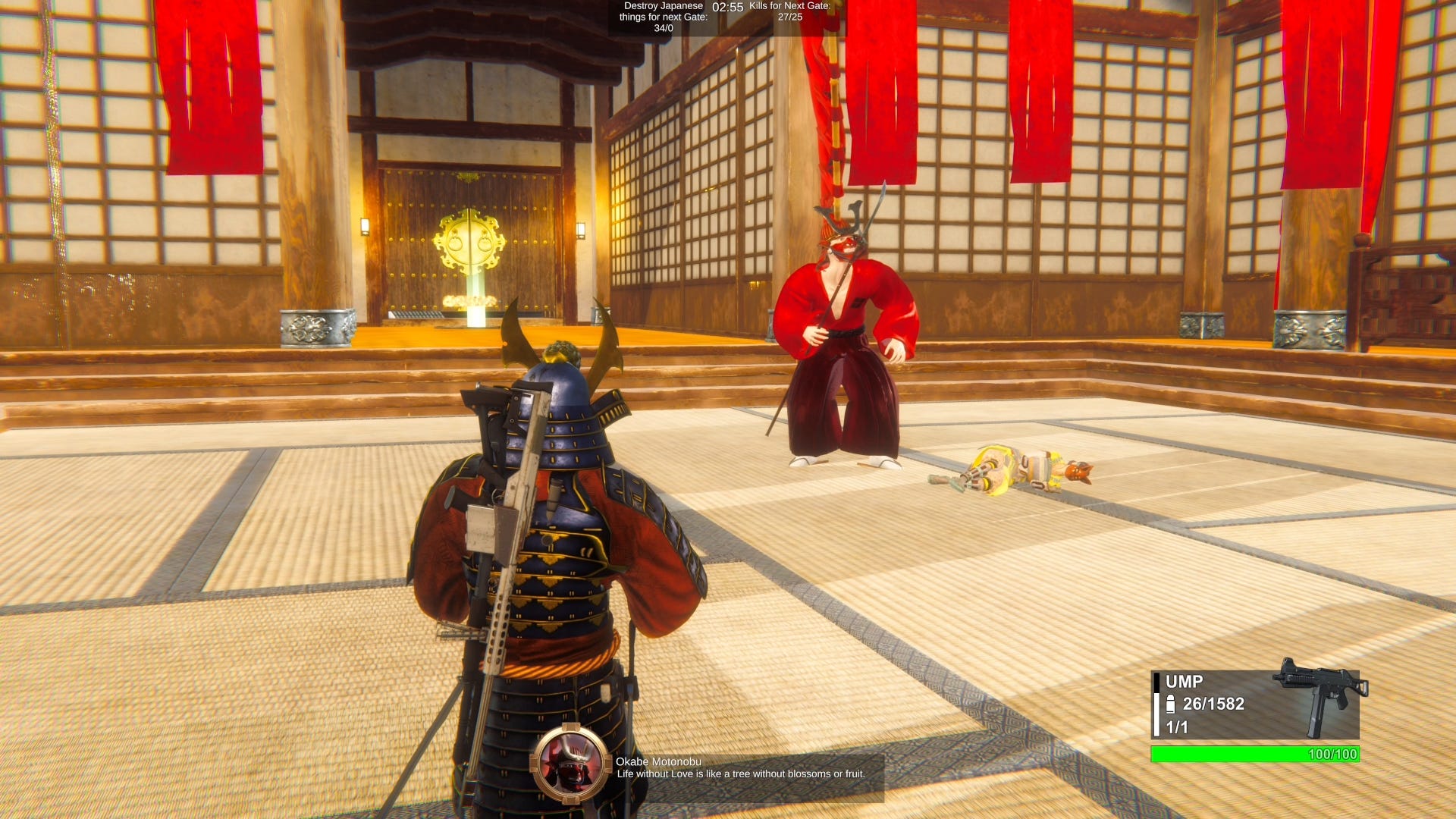
Yasuke Simulator is built on the unrivaled Unity engine, which has given the developers the ability to include many features and graphical effects unthinkable for a small team - dynamic lighting, believable physics simulations, and enemy numbers that rival Dynasty Warriors. The game’s controls take some practice, but by the end, I found myself jumping along floating platforms and dodge-rolling with ease. The game really makes you feel like Yasuke. The game centers real ethnic minorities by casting them exclusively as authentic voice actors - though a little unpolished, the voice acting is authentic, and authentically portrays the historical period and place, which is foreign where they don’t speak English good.
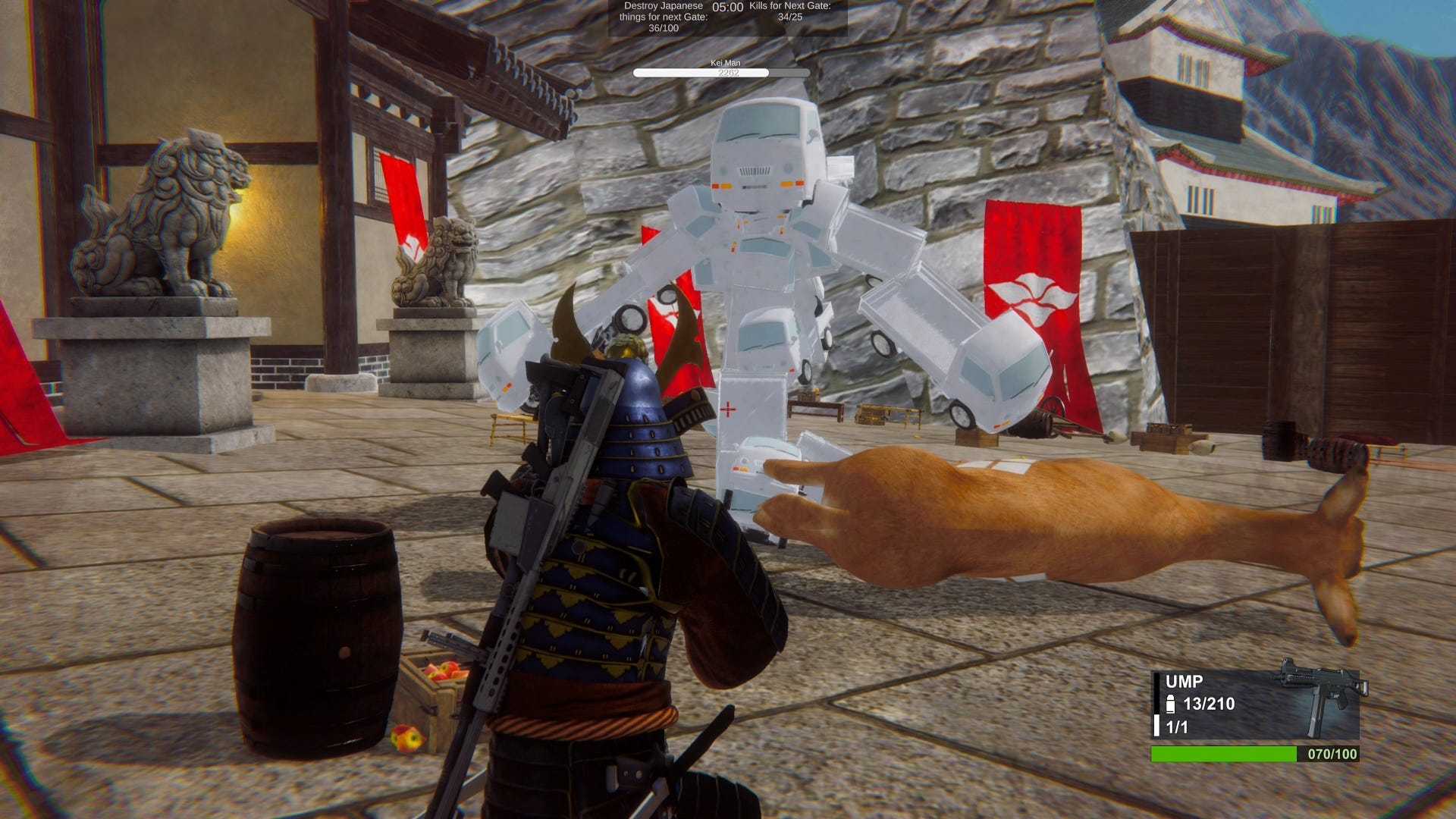
Over the game’s nine chapters, there are frequent shifts in setting and gameplay. One chapter might find you riding a motorbike along the top of the Shinkansen, most famous train world wide, and in another you’re forced to endure the trials of Beat Takeshi’s infamous Castle. One of my favorite stages has you driving through mountain roads, delivering supplies to forts used by Tokugawa Ieyasu, future Shogun of Japan, to besiege the Takeda clan. The scenery brings me back to my days studying the art of kenjutsu after college, and the music, written and performed specifically for this game, is breathtaking.
There’s a great variety of weapons at your disposal, from ninja swords to pistols, dual pistols, SMGs, even a large-caliber anti-materiel rifle, all authentically modeled with their own handling and toggleable iron sights. Damage modelling is similarly impressive, with every enemy type, even the giant enemy crabs, including a weak point, though the weak points aren’t glowing, meaning it takes some trial and error to discover them. Well worth the trouble, as limited ammo spawns do mean that you can run dry and be forced to resort to Hyohō Niten Ichi-ryū, or “the school of the strategy of two heavens as one.” This is one area where Yasuke Simulator falls a bit short - the game could be massively improved by a “glory kill” mechanic similar to the modern Doom games, letting Yasuke brutalize weakened enemies to prioritize increased ammo or health drops with cinematic takedowns.
One of the few things I do take offense to are the somewhat predatory DLC offerings. None of them are strictly necessary, and they are largely cosmetic, but I still feel like having day-one DLCs always presents like a hustle - you obviously removed these features from the game just to wring a couple more dollars out of players susceptible to FOMO, or to justify inflated ‘Premium Edition’ preorders and Season Passes. However, like with the recent Yakuza titles, I am willing to mostly give the developers the benefit of the doubt on this, and assume that it was studio interference from the publisher that strong-armed them into offering at least some up-sell items. I wound up getting them, but it’s still ridiculous - buying all of the DLCs individually is more than twice the cost of the full game! Come on! This ain’t Train Simulator!
Speaking of trains, I need to make a point about Yasuke Simulator’s competition. Some have said that Yasuke Simulator is coming out too late, and its time is passed. Many games have come out in recent years, purporting to be immersive, historically accurate depictions of Ancient Japan, like Ghost of Tsushima and Sekiro. However, most of these fail to depict one of Japan’s greatest cultural assets, the Shinkansen, the most famous and beloved train in all the world. Cherrypicking the handful of Japanese cultural references you want to use in your game, like kimonos, ninjas, or kimchi, and not including the Shinkansen, is base appropriation. Many countries around the world have Daruma, Eurobeat music, and cats that stand on two legs to terrorize humans - only Japan has the Shinkansen.
Finally, there have been accusations leveled at the developers of Yasuke Simulator, arguing that it is an ‘asset flip’ and ‘lazy cash grab’ at the expense of ‘real developers’ making ‘real games.’ This view betrays a naïve and loathsome misunderstanding of the reality of game development. Modern AAAA companies, many of whom are in the business of embezzling millions of dollars, sometimes including taxpayer-funded subsidies, waste insanely inordinate resources contracting Chinese and Indian artists to slave away for hundreds of thousands of man-hours, pouring over every detail of every asset on every shelf in every room of their games. Sure, the games are often staggering works of unparalleled beauty, but that is all. Such a dogged devotion to avoiding asset reuse and ensuring complete creative purity is commendable, but is it wise? Couldn’t that money be spent in ways that enrich not only the game’s visuals but the lives of the people buying it? Why not instead pay the voice actors to unionize, or hire contractors to run racial sensitivity training?
I remember one day, years ago, when I happened to see a prank show airing on MTV. On screen, a man had dressed in a giant oversized rat suit, and then crawled around a corner, startling a young woman. As she screamed, the editors had overlayed a shrill chirping, chittering sound effect, one that I instantly recognized as the cry of bats and rats in The Elder Scrolls II: Daggerfall. “How could they have done this?” I thought, in my innocence. Later, of course, I discovered that the editors at MTV had not stolen a sound effect from a classic PC RPG, but had simply used the same large sound library that the developers at Bethesda Softworks had, a CD or set of floppy disks which no doubt had many similar sound effects on it that have been used, like the Wilhelm Scream, throughout history. Are Daggerfall and the MTV prank show ‘asset flips?’ Of course not.
There’s a depressing truth to confront, which is that the industry is in shambles, and it’s only going to get worse. Publishers are snatching up developers left and right, forcing them to engage in hostile and divisive tactics to earn their funding, chasing the lowest common denominator as the baseline expectations for popular media crater. That One Guy is back in office, threatening old traditions of our culture like Black History Month and Juneteenth celebrations, all in the name of bringing back ‘based’ videogames. Journalists crow about animation glitches, minor bugs, and missing features, doing the work of Capital by turning gamer sentiment against the working class. Does Yasuke Simulator’s bold stance turn the tide? Will it save the gaming industry from a collapse to rival 1983? Sadly, I doubt it. It is, devastatingly, too little, too late. At best, we’ll look back on Yasuke Simulator in a decade or so, and remember it fondly as “one of the good ones.”